
Sadly in the United States, up to 25% of women will be sexually assaulted at least once in in their lifetime (Garcia-Esteve et al., 2021)⁷. Additionally, in 2022 approximately 1.25% of people age 12 or older experienced at least one violent crime; this means that there were over 6.6 million survivors of sexual assault and violent crime in 2022 alone (Thompson & Tapp, 2023)¹³. Responses to sexual assault or violent crimes are as unique as the person who experienced the trauma. There is a broad range of emotional, physical, and mental reactions that can happen any time after the traumatic event, and 8 in 10 survivors report experiencing at least one symptom of trauma (Alliance for Safety and Justice)¹ . It’s not uncommon for survivors to experience multiple phases of these reactions including immediate, short-term, and long-term effects depending on a variety of factors including mental health history and current support. This post will explore some of these phases, as well as shed light on some of the myths and stigma that go along with victimization.
Initial Reactions
Typical initial reactions to victimization may include feeling on edge, denial of the event, being angry at everything, feeling fearful, or experiencing extreme loneliness, just to name a few. Some people will have a hard time believing they went through something so traumatizing, others will become angry and lash out, while some will process the event introspectively. There is no right way to feel or act after a traumatic event happens, and there is no wrong way either.
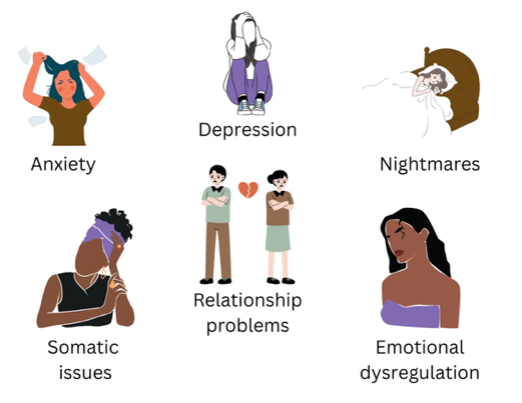
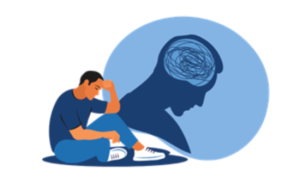
Most people’s initial reaction to victimization is a feeling of shock, or what mental health professionals call ‘emotional shock.’ Emotional shock, which is a part of the flight-fight-freeze response, is the brain’s way of dealing with an intense stressor where the brain is unable to process the situation and freezes itself to help protect the mind and body (Darcy, 2014). Symptoms of emotional shock can include numbness, inability to express emotions, difficulty with thinking or rationalizing, disassociation (disconnection from self), or the inability to speak or move (Gupta, 2023)⁸ . While it can be difficult to tell if you are in a state of emotional shock, the symptoms mentioned may show up as brain fog or lack of focus, feelings of depression or hopelessness, as well as physical symptoms such as stomachaches or headaches, or extreme exhaustion (Darcy, 2014). Emotional shock can be the reason some people go about their daily life after a traumatic event, reflecting how the brain has not allowed them to start processing what happened.
Another initial and very common reaction to victimization is sleep problems. This can show up as problems with insomnia, waking frequently during the night, or experiencing nightmares related to the event. For some, dreams become vivid reenactments of the trauma; for others, they’re anxiety-inducing, fragmented clips or thoughts of the event. The lack of restful sleep can further exacerbate other responses to trauma such as increased emotional distress, difficulties with coping skills, and can contribute to a decline in physical health. Specifically for insomnia, persistent insomnia after trauma can be linked to the later development of PTSD, depression, and chronic fatigue (Germain, 2013)⁹.
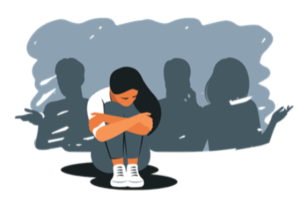
Unfortunately due to persistent stigma and victim blaming, other initial reactions may include trauma-related guilt shame, or self-blame. It’s not uncommon for survivors to second guess their decisions or actions leading up to the victimization with thoughts of what they “should have” or “should not have” done (Pugh et al., 2015)¹². This experience of repetitive self-blame and guilt, along with a persistent focus on the distressing event, may inhibit a survivor’s ability to move forward and lead to a cycle of rumination, further impacting their self-worth and sense of insecurity (Zahn et al., 2015). For other survivors, this trauma-related guilt may increase their anxiety and fear, resulting in the hypervigilance of their surroundings.
Once a person has experienced a victimization, it may be difficult for them to feel safe again with a study showing only 3 out of 10 people who have been victims of crime report feeling safe in their community after the event (Alliance for Safety and Justice)¹ . This lack of perceived safety can lead to an initial withdrawal after a victimization with the desire to avoid reminders of the event or avoid “putting on a brave face,” making survivors want to isolate from friends, family, and social situations (Khiron Clinics, 2020)¹⁰. While these feelings of guilt and self-blame for the victimization are common thoughts and beliefs that many survivors may have, the victimization is never the victim’s fault.
Short-Term Effects
Surviving a violent or life-altering event takes a toll on people mentally, physically, and emotionally. Survivors may experience short-term outcomes that may progress into clinically significant concerns. Others may experience a shift in the way they perceive the world around them, including difficulty trusting others, isolating from friends or family, or feeling uncomfortable and vulnerable in social settings. Ultimately, each person moves through trauma in their own timeline with a range of different short-term responses.
While stress is a common response to trauma and may gradually decrease over time, for some, the stress and emotions of the event may progress into a mental health condition known as Acute Stress Disorder (ASD). ASD is a mental health condition that can be diagnosed if symptoms present between 3 to 30 days after the trauma and lasts no more than six months. ASD may cause significant distress or impairment in multiple areas of life with symptoms that include intrusive thoughts, memories, flashbacks, or nightmares about the event, as well as being easily startled or on high alert, and feeling irritable and restless. Survivors may also experience the inability to feel positive emotions, feel detached from themselves (often referred to as dissociation), and may have the desire to avoid things like people, places, or reminders of event. ASD symptoms can decrease, increase, or stay the same based on the persons current situation or other traumatic events (American Psychiatric Association, 2022)².
Other short-term effects survivors may experience are changes in the way they relate to others including friends and family. When a person is victimized, especially for survivors of sexual violence where the victimization deprives a survivor control of their body, it’s understandable that relationships and interactions with people in their lives and the world around them change. For some people, these changes manifest as withdrawal or irritability in close relationships; for others, it appears as clinginess or a heightened and constant need for reassurance. They may feel less trust toward people, even those they knew before the trauma (Campbell & Wasco, 2005)⁴, and these changes to relationships can create strain and confusion for both members in the relationship, especially if the change is extreme. Many times, the survivor is not fully aware of the change in behavior and cannot vocalize why their behavior has changed, which can create more distance or conflict and some survivors may avoid romantic or sexual relationships altogether for a time (Campbell & Wasco, 2005)⁴.
Lastly, trauma doesn’t just affect the mind; it can take a toll on the body. Fatigue and exhaustion are common short-term reactions, as the stress response keeps the nervous system in a heightened state of alert. This hypervigilance places the body in “overdrive,” meaning the body is working overtime by continually scanning for potential threats and using significant energy to maintain a sense of safety. Additionally, it’s not uncommon for survivors to also report physical symptoms such as headaches, stomachaches, muscle tension, dizziness, or digestive issues (Van der Kolk, 2014)¹⁵. These physical symptoms present because of the mind-body connection, where the body suffers and shows the pain the mind is going through. When a person is under enduring stress, the body releases stress hormones, called cortisol and adrenaline, which strain the body. This stress may also create tension in the body resulting in pain if it doesn’t get released (Van der Kolk, 2014)¹⁵.
Long-Term Effects
While some survivors gradually recover without major long-term effects, others will experience longer conditions with more chronic impacts. Some of these chronic issues may include posttraumatic stress disorder (PTSD), depression disorders, anxiety disorders, and substance use problems.
PTSD is diagnosed when a person experiences, witnesses, or learns of an event involving threatened death, serious injury, violence, or sexual assault, and research shows that about half of individuals with acute stress disorder go on to develop PTSD if left untreated (Bryant, 2011)³. Women are shown to be more likely to develop PTSD than men, and some risk factors for PTSD may include genetics, previous trauma, and lack of social support.
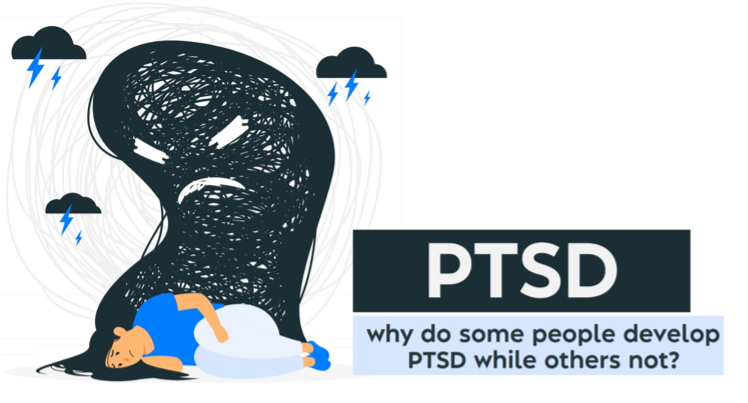
Symptoms of PTSD may present as intrusive memories or flashbacks, avoidance, negative mood changes, and hyperarousal; these symptoms may persist beyond one month and impair daily functioning (American Psychiatric Association, 2022)². Additionally, survivors may have a delayed onset of up to six months, and secondary survivors may suffer from the disorder as well.
Some survivors may have more narrowed long-term conditions like depression or anxiety, and many may use substances to help relieve symptoms, which can progress into a substance use disorder. 25-50% of women who have been diagnosed with PTSD following a sexual assault report self-medicating with alcohol and drugs (Lefkowitz, 2024)¹¹. Trauma-related depression is a reactive depression, meaning it occurs because of the trauma and may not have presented without the traumatic event happening. This is the same for trauma-related anxiety disorders like generalized anxiety disorder, panic disorder, or other more severe anxiety disorders like agoraphobia, an anxiety disorder which may lead to isolating in one’s home.
Coping and Recovery
Life after victimization will never be the same but that doesn’t mean things will never get better. Survivors may go through many stages of processing trauma and learning to live their life again. This is not an easy process, but research shows that for some the traumatic event may lead to a positive outcome and increased resilience (Dell’Osso et al., n.d.)⁶ . Accessing support can be a key factor in recovery. Many survivors turn to friends, family, faith communities, or specialized organizations such as the Victim Service Center. Professional help through trauma-informed therapists, advocates, or crisis hotlines can provide coping strategies, validation, and overall help through recovery. Peer support groups can also help survivors feel less isolated and can help to rebuild trust in others. Importantly, supportive responses from others are associated with reduced PTSD symptoms and better long-term outcomes (Ullman, 2016)¹⁴.
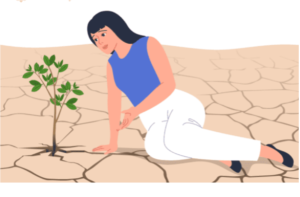
It’s also important to note that not all responses to trauma are negative, and in fact some survivors may find resolve in what researchers call post-traumatic growth (PTG), which is a positive psychological change that may occur as a result of the trauma. PTG is an outcome of trauma where survivors have a greater appreciation for life and their future, as well as an increased positive self-perception, better relationships, self-awareness, and self-confidence (Dell’Osso et al., n.d.)⁶. This phenomenon of PTG is linked to a greater resilience and feeling stronger for having survived the event, a shift of priorities and purpose, and increased empathy and compassion for other survivors.
Sexual assault and violent crimes leave lasting imprints on survivors, shaping their emotional, physical, and psychological well-being in more ways than one can imagine. It is difficult to accept and quite unfair that after being a victim of a violent crime or sexual assault, it is the survivors’ job to pick up the pieces of their life. While initial, short-term, and long-term reactions can vary, it is important to remember that every survivor’s experience is valid and deeply personal. The journey through trauma often involves painful phases of shock, guilt, depression, and disrupted relationships, but it can also lead to growth, strength, and resilience. The journey to healing and moving forward is one that takes a lot of effort, resilience, desire, and it does not follow a set timeline or path. After victimization, it may be hard to see a future where the pain subsides and life can go back to normal, especially when a person is in the early stages of processing. However, by breaking down myths, addressing stigma, and fostering supportive environments, we not only honor survivors’ experiences but also create space for recovery and sometimes even post-traumatic growth. That is why it is so important to seek help and support from resources like the Victim Service Center, mental health professionals, or friends and family. Trauma may change a survivor’s life; it does not have to define it.
References
¹ Alliance for Safety and Justice. (2024). Crime survivors speak: A national survey of victims’ views on safety and justice. https://asj.allianceforsafetyandjustice.org/crime-survivors-speak-2024/
² American Psychiatric Association. (2022). Diagnostic and statistical manual of mental disorders (5th ed., text rev)
³ Bryant, R. A. (2011). Acute stress disorder as a predictor of posttraumatic stress disorder: A systematic review. Journal of Clinical Psychiatry, 72(2), 233–239. https://doi.org/10.4088/JCP.09r05072blu
⁴ Campbell, R., & Wasco, S. M. (2005). Understanding rape and sexual assault: 20 years of progress and future directions. Journal of Interpersonal Violence, 20(1), 127–131. https://doi.org/10.1177/0886260504268604
⁵ (Darcy, 2014)
⁶ Dell’Osso L, Lorenzi P, Nardi B, Carmassi C, Carpita B. Post Traumatic Growth (PTG) in the Frame of Traumatic Experiences. Clin Neuropsychiatry. 2022 Dec;19(6):390-393. doi: 10.36131/cnfioritieditore20220606. PMID: 36627947; PMCID: PMC9807114.
⁷ García-Esteve, L., Torres-Giménez, A., Canto, M., Roca-Lecumberri, A., Roda, E., Velasco, E. R., Echevarría, T., Andero, R., & Subirà, S. (2021). Prevalence and risk factors for acute stress disorder in female victims of sexual assault. Psychiatry Research, 303, 114240. https://doi.org/10.1016/j.psychres.2021.114240
⁸ (Gupta, 2023) Identifying and Coping With Emotional Shock https://www.verywellmind.com/emotional-shock-definition-symptoms-causes-and-treatment-5214434
⁹ Germain, A. (2013). Sleep disturbances as the hallmark of PTSD: Where are we now? American Journal of Psychiatry, 170(4), 372–382. https://doi.org/10.1176/appi.ajp.2012.12040432
¹⁰ Khiron Clinics, (2020) The Subtle Effects of Trauma – Social Withdrawal https://khironclinics.com/blog/trauma-and-social-withdrawal/
¹¹ Lefkowitz, M. (2024). Sexual assault and drug use. EBSCO. Retrieved at https://www.ebsco.com/research-starters/health-and-medicine/sexual-assault-and-drug-use
¹² (Pugh et al., 2015) The role of guilt in the development of post-traumatic stress disorder: A systematic review. https://pubmed.ncbi.nlm.nih.gov/25997098/
¹³ Thompson & Tapp, 2023. Criminal Victimization, 2022 Alexandra Thompson and Susannah N. Tapp, PhD, BJS Statisticians https://bjs.ojp.gov/document/cv22.pdf
¹⁴ Ullman, S. E. (2016). Social support and recovery from sexual assault: A review. Aggression and Violent Behavior, 31, 38–50. https://doi.org/10.1016/j.avb.2016.06.014
¹⁵ Van der Kolk, B. A. (2014). The body keeps the score: Brain, mind, and body in the healing of trauma. Viking.